 Email: support@alloliving.com


LED Light Troubleshooting: Common Problems and How to Fix Them
- von ALLO LIVING


LED lighting has revolutionized how we illuminate our homes, but even the best LED fixtures can encounter issues. This comprehensive troubleshooting guide from ALLO LIVING covers the most common LED lighting problems and provides step-by-step solutions you can try before calling a professional.
Common LED Lighting Problems and Solutions
1. LED Lights Flickering
Flickering is the most reported issue with LED lighting. Here are the most common causes and fixes:
Dimmer Compatibility: The #1 cause of LED flickering is incompatible dimmer switches. Traditional dimmers were designed for higher-wattage incandescent bulbs and don't regulate low-wattage LEDs properly. Install a dimmer specifically labeled "LED compatible" or "ELV" (Electronic Low Voltage).
Loose Connections: Check that bulbs are screwed in firmly and that wire connections in the fixture are tight. Vibration from ceiling fans or nearby traffic can loosen bulbs over time.
Voltage Fluctuations: When large appliances like air conditioners or refrigerators cycle on, they can cause temporary voltage drops that make LEDs flicker. If this happens frequently, consult an electrician about your home's electrical load.

2. LED Lights Buzz or Hum
That annoying buzzing sound from LED fixtures is typically caused by electromagnetic interference between the LED driver and a dimmer switch. Quality LED fixtures with well-shielded drivers produce virtually no noise. If you're hearing buzzing:
- Try replacing the bulb with a different brand — some brands have better driver shielding
- Replace your dimmer switch with a high-quality LED-compatible model
- Check for loose wiring in the fixture or switch box (hire an electrician for this)
- If the buzzing comes from the fixture itself (not the bulb), the LED driver may be failing
3. LED Lights Too Dim
If your new LED lights seem dimmer than expected, several factors could be at play:
Wrong Color Temperature: Lower Kelvin ratings (2700K-3000K) produce warmer, softer light that can seem dimmer than higher Kelvin ratings (4000K-5000K) even at the same lumen output. Consider switching to a neutral or cool white for brighter-appearing light.
Enclosed Fixtures: Some LEDs are not rated for fully enclosed fixtures, where heat buildup can cause the light to dim automatically (thermal derating). Look for LEDs specifically rated for enclosed fixtures.
Dirty Lenses or Shades: Dust buildup on fixture lenses or shades can reduce light output by as much as 30%. Regular cleaning restores full brightness.

4. LED Lights Turn Off By Themselves
If your LED lights shut off unexpectedly, the built-in thermal protection may be triggering. LEDs are sensitive to heat — if they get too hot, the driver will shut down to prevent damage. Solutions include:
- Ensuring the fixture has adequate ventilation — don't insulate around recessed lights
- Using bulbs rated for enclosed fixtures if they're in a covered housing
- Checking for a faulty LED driver that needs replacement
- Verifying the fixture isn't in a location that exceeds its operating temperature range
5. LED Strip Light Issues
LED strip lights have their own unique set of common problems:
One Section Not Lighting: If a segment of your LED strip isn't working, check for a broken solder connection at the cut line. You may need to re-solder or replace that section.
Color Inconsistency: Different batches of LED strips can have slightly different color temperatures. Purchase enough from the same batch for your entire project, and use RGB or tunable white strips for consistent color control.
Adhesive Failure: LED strip adhesive can fail in heat or humidity. Use mounting clips or aluminum channels for a more permanent installation.

6. Outdoor LED Lighting Problems
Outdoor LEDs face additional challenges from weather and temperature:
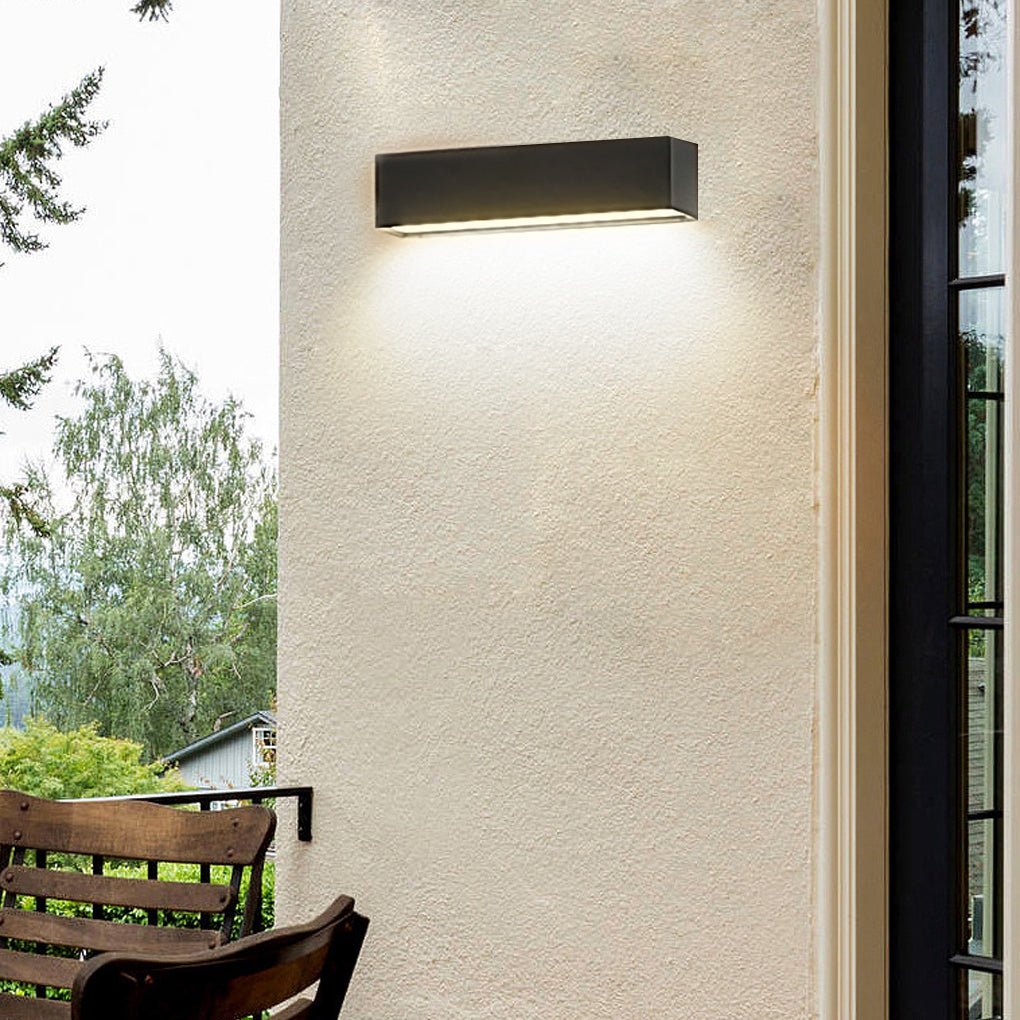
Moisture Ingress: Even "waterproof" fixtures can develop condensation over time. Ensure gaskets are properly seated, and look for fixtures with IP65 or higher ratings for exposed locations.
Solar Light Not Charging: Solar LEDs depend on direct sunlight. Clean the solar panel monthly and trim any vegetation that casts shade. If the battery is more than 2 years old, it may need replacement.
Cold Temperature Dimming: While LEDs actually work better in cold temperatures than traditional bulbs, some drivers can fail in extreme cold. Choose fixtures rated for your climate.

When to Replace Rather Than Repair
Sometimes it's more cost-effective to replace a fixture than to repair it. Consider replacement when:
- The LED driver has failed and isn't replaceable
- The fixture is more than 10 years old
- Multiple bulbs in the same fixture keep failing
- The fixture no longer meets your style or brightness needs
- Upgrading to a newer, more energy-efficient model makes financial sense
Preventive Maintenance for LED Lighting
Extend the life of your LED fixtures with these simple habits:
- Dust fixtures monthly with a soft, dry cloth
- Keep outdoor fixture seals clean and free of debris
- Avoid frequent on/off cycling where possible — LEDs are actually very tolerant of this, but the driver components can wear
- Use surge protectors for sensitive LED installations
- Replace aging dimmers with modern LED-compatible ones
Frequently Asked Questions
Why do my new LED lights flicker when I first turn them on?
Some LEDs may flicker briefly during warm-up, especially in cold environments. This is normal and should stop within 1-2 minutes. If flickering persists, it indicates a compatibility issue with your dimmer or a faulty driver.
Can I use LED bulbs in enclosed fixtures?
Only if the bulb is specifically labeled "for enclosed fixtures." LEDs generate heat that needs to dissipate, and enclosed fixtures trap heat, causing premature failure and dimming. Always check the bulb's specifications before installation.
How do I dispose of old LED bulbs?
Unlike CFL bulbs, LEDs do not contain mercury and can be disposed of with regular household waste in most areas. However, recycling is recommended as LEDs contain electronic components. Check your local recycling program for electronics or lighting-specific recycling options.
Why do my outdoor LED lights flicker when it's cold?
Cold temperatures can affect the electrolyte in LED drivers, causing temporary instability. This typically resolves as the fixture warms up. Choose fixtures rated for your local winter temperatures for best performance.
How long should LED bulbs last in outdoor fixtures?
Quality outdoor LED bulbs should last 15,000-25,000 hours, but their lifespan can be shortened by moisture, extreme temperatures, and voltage fluctuations. Properly sealed outdoor fixtures with IP65+ ratings help maximize bulb life.
What causes the color of my LED lights to change over time?
All LEDs experience some color shift over their lifetime, typically moving slightly toward the blue end of the spectrum. This is a normal aging process. Premium LEDs from reputable manufacturers have tighter color tolerances and show less shift over time.
For high-quality, reliable LED lighting solutions, explore the complete lighting collection at ALLO LIVING.
- Veröffentlicht in:
- home decor
- home improvement
- lighting


