 Email: support@alloliving.com


Modern Home Lighting Style Guide: How to Choose the Perfect Fixtures for Every Room
- von ALLO LIVING


Lighting is one of the most powerful tools in interior design. The right fixtures can transform a room from ordinary to extraordinary, affecting not just how we see but how we feel. At ALLO LIVING, we believe every home deserves lighting that balances function and style. This comprehensive style guide will help you choose the perfect fixtures for every room.
The Fundamentals of Lighting Design
Before diving into specific rooms, it helps to understand the three fundamental types of lighting that professionals use to create balanced, beautiful spaces.
Ambient Lighting
This is the base layer of illumination that fills a room with general light. Chandeliers, flush mount ceiling lights, and pendant lights all serve as ambient sources. The goal is even, comfortable light without harsh shadows.
Task Lighting
Focused illumination for specific activities. Reading lamps, under-cabinet lights, and vanity lights help you see clearly while cooking, reading, or applying makeup.
Accent Lighting
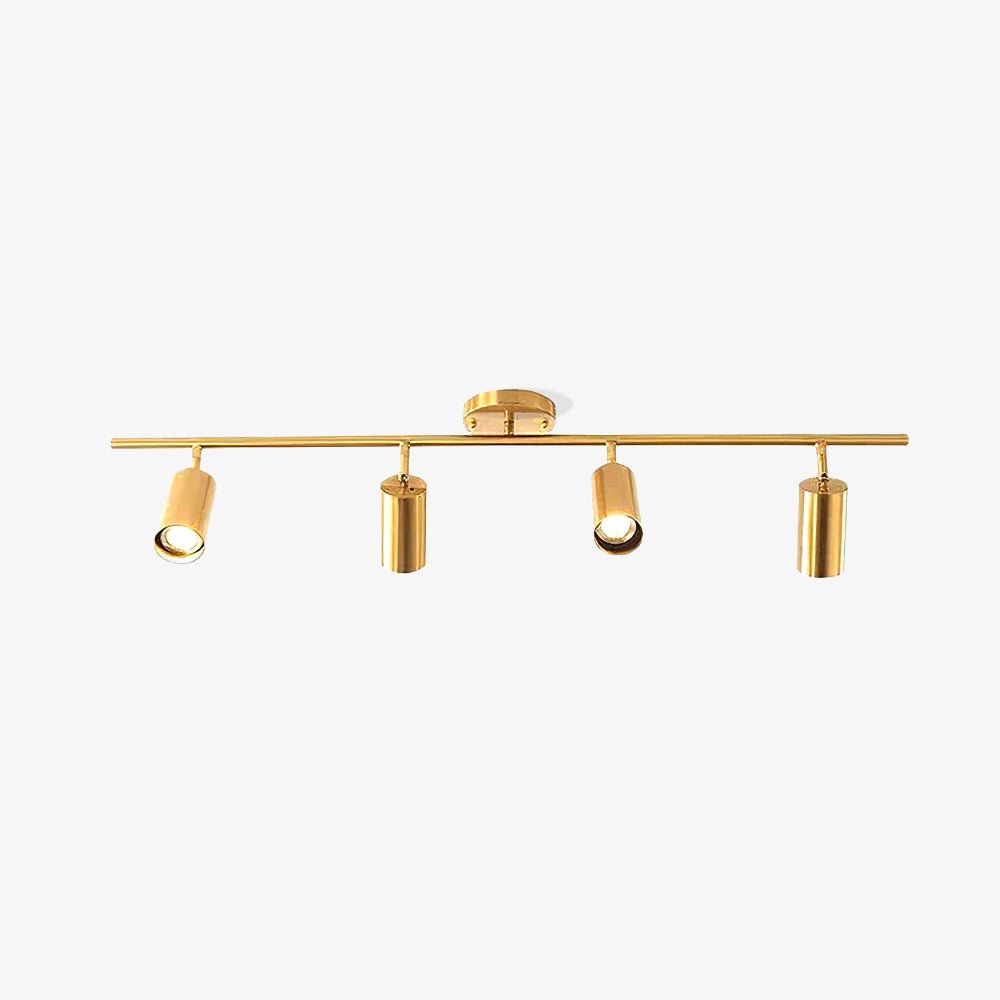
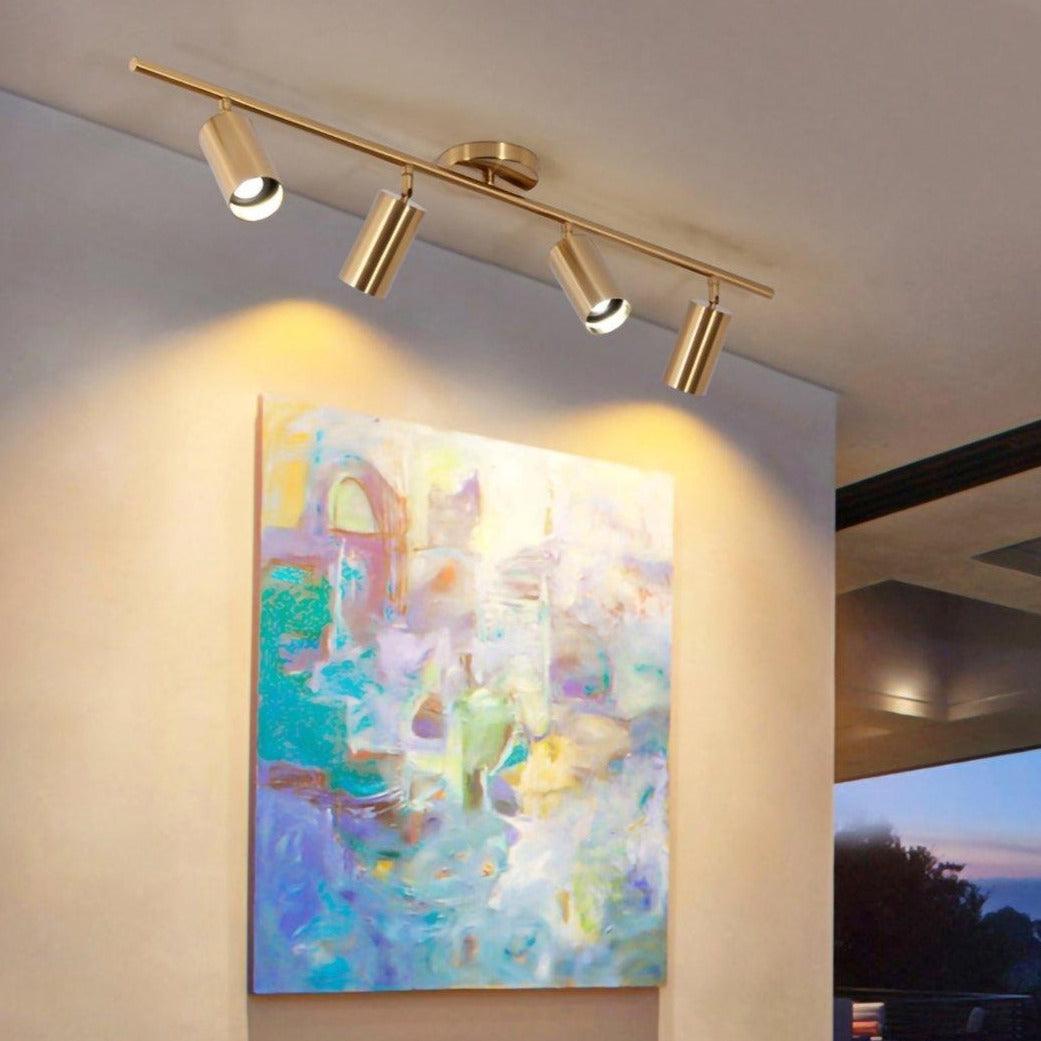
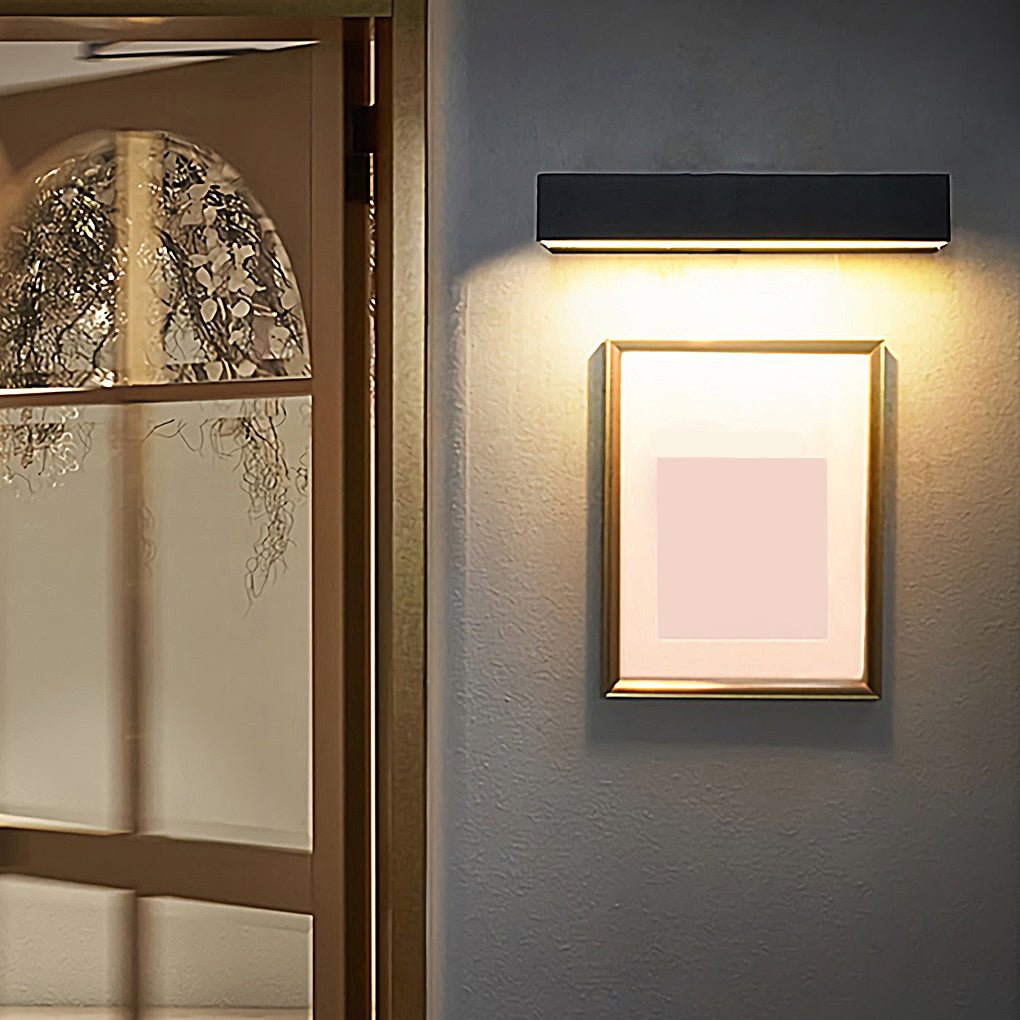
Dramatic light that highlights architectural details, artwork, or decorative objects. Wall sconces, track lights, and picture lights create visual interest and depth.

Living Room Lighting Styles
The living room serves multiple purposes — entertaining, relaxing, reading, watching TV. Your lighting should be flexible enough to accommodate all these activities.
Statement Chandeliers
A chandelier is the centerpiece of living room lighting. From modern sputnik designs to classic crystal fixtures, the right chandelier sets the tone for the entire room. For standard 8-9 foot ceilings, hang the chandelier so the bottom is at least 7 feet above the floor.
Complementary Floor Lamps
Floor lamps add warmth and flexibility. Place them in reading corners, next to sofas, or beside accent chairs. Arc floor lamps are particularly effective for directing light over seating areas.
Wall Sconces for Atmosphere
Wall-mounted lighting creates depth and eliminates dark corners. Modern LED wall sconces with adjustable heads offer both form and function. Place sconces at eye level (60-66 inches from the floor) for the most flattering effect.

Kitchen and Dining Lighting
Kitchens demand bright, shadow-free task lighting while dining areas benefit from warm, dimmable ambiance.
Kitchen Island Pendants
Pendant lights are the most popular choice for kitchen islands. For a 6-foot island, use 2-3 pendants spaced 24-30 inches apart. Hang them 30-36 inches above the counter surface. Glass, metal, and bamboo pendants each create distinct styles.
Dining Room Chandeliers
The chandelier should be about one-half to two-thirds the width of your dining table. Hang it 30-34 inches above the table surface. Linear chandeliers work beautifully over rectangular tables, while round fixtures complement round or square tables.
Under-Cabinet Task Lights
LED strip lights under cabinets eliminate shadows on countertops, making food preparation safer and easier. Choose warm white (3000K) for a cozy kitchen or neutral white (4000K) for a brighter workspace.

Bedroom Lighting
Bedrooms should be sanctuaries of relaxation. Soft, warm lighting helps your body prepare for sleep.
Flush Mount and Semi-Flush Ceiling Lights
For bedrooms with standard 8-foot ceilings, flush mount ceiling lights provide gentle ambient lighting without overwhelming the space. Choose fixtures with dimmable functionality and consider models with remote controls for bedtime convenience.
Bedside Lighting
Wall-mounted reading lights or adjustable swing-arm lamps free up nightstand space. For shared bedrooms, individual reading lights allow one person to read while the other sleeps. Aim for warm light (2700K-3000K) to avoid disrupting sleep patterns.
Bathroom Lighting
Bathrooms need bright, even lighting for grooming, especially around mirrors. Poor bathroom lighting creates unflattering shadows that make tasks like shaving and makeup application difficult.
Vanity Lights
The most flattering placement for vanity lights is on either side of the mirror at eye level. If that's not possible, a light bar above the mirror is the next best option. Choose fixtures with CRI (Color Rendering Index) of 90+ for accurate color representation.

Outdoor Lighting Style
Outdoor lighting extends your living space after dark and adds curb appeal and security.
Entrance Lighting
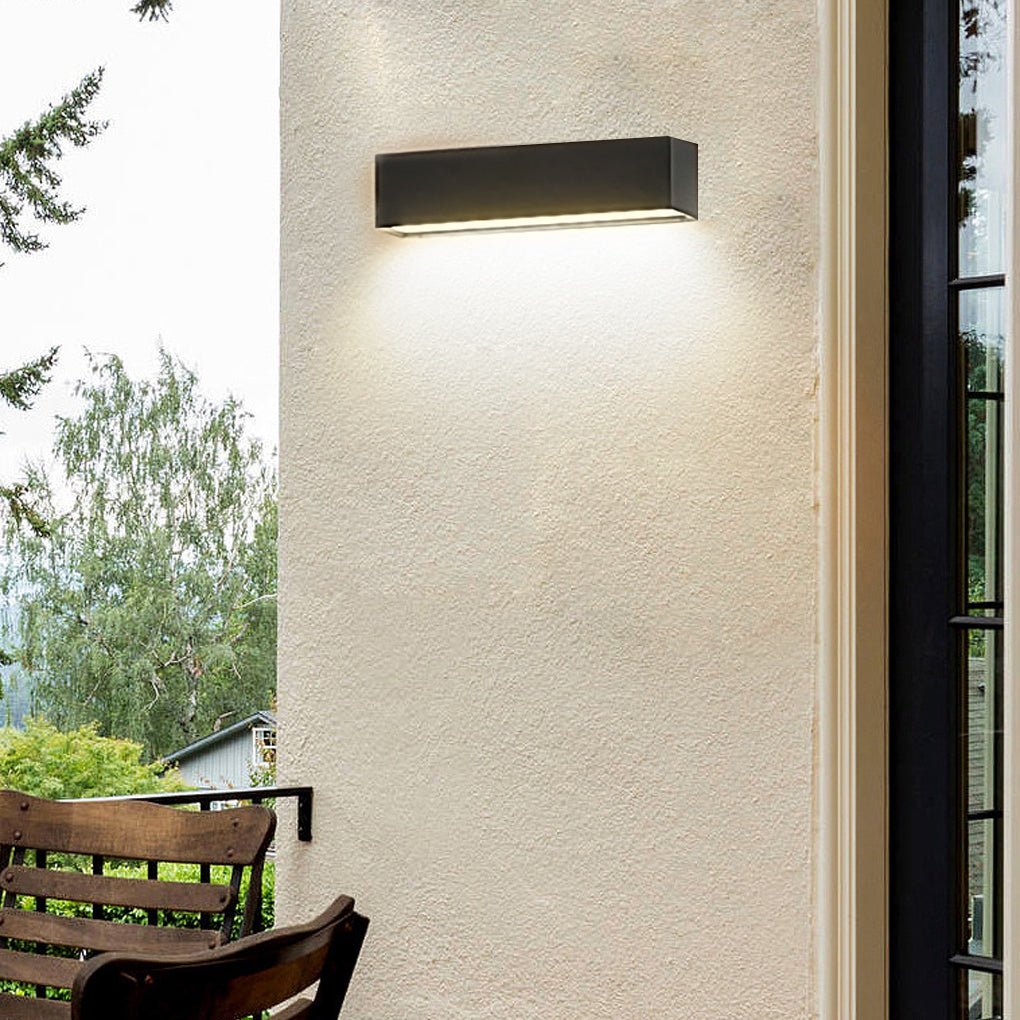
Your front entrance light is one of the first things guests see. Traditional lanterns, modern wall sconces, and flush mount porch lights all work well at entrances. For double doors, install matching fixtures on each side.
Landscape Lighting
Path lights, spotlights for trees, and decorative garden lights add magic to outdoor spaces. Solar-powered options are increasingly popular for their zero-wiring installation and energy efficiency.

Ceiling Fan with Light Combinations
Ceiling fans with integrated LED lights offer dual functionality — cooling airflow and room illumination in one fixture. Modern designs range from minimalist bladeless fans to rustic wood-blade options, ensuring there's a style for every decor.
Lighting by Ceiling Height
Ceiling height dramatically affects your lighting choices:
- 8-foot ceilings: Flush mount or low-profile semi-flush lights only
- 9-10 foot ceilings: Semi-flush, pendant lights, and smaller chandeliers work well
- 10+ foot ceilings: Full-size chandeliers, large pendants, and multi-tier fixtures
- Vaulted ceilings: Long-chain pendants, suspension systems, and track lighting
Color Temperature Guide
Choose light color based on room function:
- 2700K-3000K (Warm White): Living rooms, bedrooms, dining rooms — creates cozy ambiance
- 3500K-4100K (Neutral White): Kitchens, bathrooms, home offices — bright and natural
- 5000K-6500K (Cool White): Garages, basements, workspaces — highest visibility
Frequently Asked Questions
How do I choose the right size chandelier for my room?
Add the room's length and width in feet, then convert that number to inches. For example, a 12x14 foot room suggests a 26-inch chandelier (12+14=26). This formula gives you the ideal diameter for a statement chandelier in that space.
Should all the light fixtures in my home match?
Not necessarily, but they should coordinate. Choose a consistent finish (such as matte black or brushed nickel) as your base and use complementary finishes (like brass or gold) for accent. Limit yourself to 2-3 finishes across adjoining rooms for a cohesive look.
What's the best lighting for a home office?
Home offices need bright, shadow-free light to reduce eye strain. Use a combination of ambient ceiling light, a desk task lamp, and indirect lighting to reduce screen glare. Neutral white (4000K) is ideal for maintaining focus and alertness.
How many lumens do I need per room?
General guidelines: Living room 1,500-3,000 lumens, kitchen 3,000-4,000 lumens, bedroom 1,000-2,000 lumens, bathroom 1,500-2,500 lumens, home office 3,000-6,000 lumens. Actual needs vary based on room size, ceiling height, and personal preference.
Can I install a chandelier on a sloped ceiling?
Yes, but you'll need a sloped ceiling adapter kit. Most chandeliers and pendant lights can be adapted for sloped ceilings up to 45 degrees. Chain-hung fixtures offer the most flexibility for angled installations.
What is CRI and why does it matter?
CRI (Color Rendering Index) measures how accurately a light source reveals colors compared to natural sunlight. A CRI of 90+ is excellent for homes, especially in bathrooms and dressing areas where color accuracy matters. Most quality LED fixtures now offer CRI 90+ as standard.
Browse the complete lighting collection at ALLO LIVING for premium fixtures that combine style, performance, and lasting quality.
- Veröffentlicht in:
- home decor
- home improvement
- lighting


