Email: support@alloliving.com






Understanding Home Lighting: A Complete Guide
- by BarryDevin

Lighting is one of the most important elements in home design. It not only provides visibility but also sets the mood, highlights architectural features, and enhances comfort. Choosing the right lighting involves understanding fixture types, light quality, placement, and how it interacts with your space to create a balanced and functional environment.
Types of Lighting
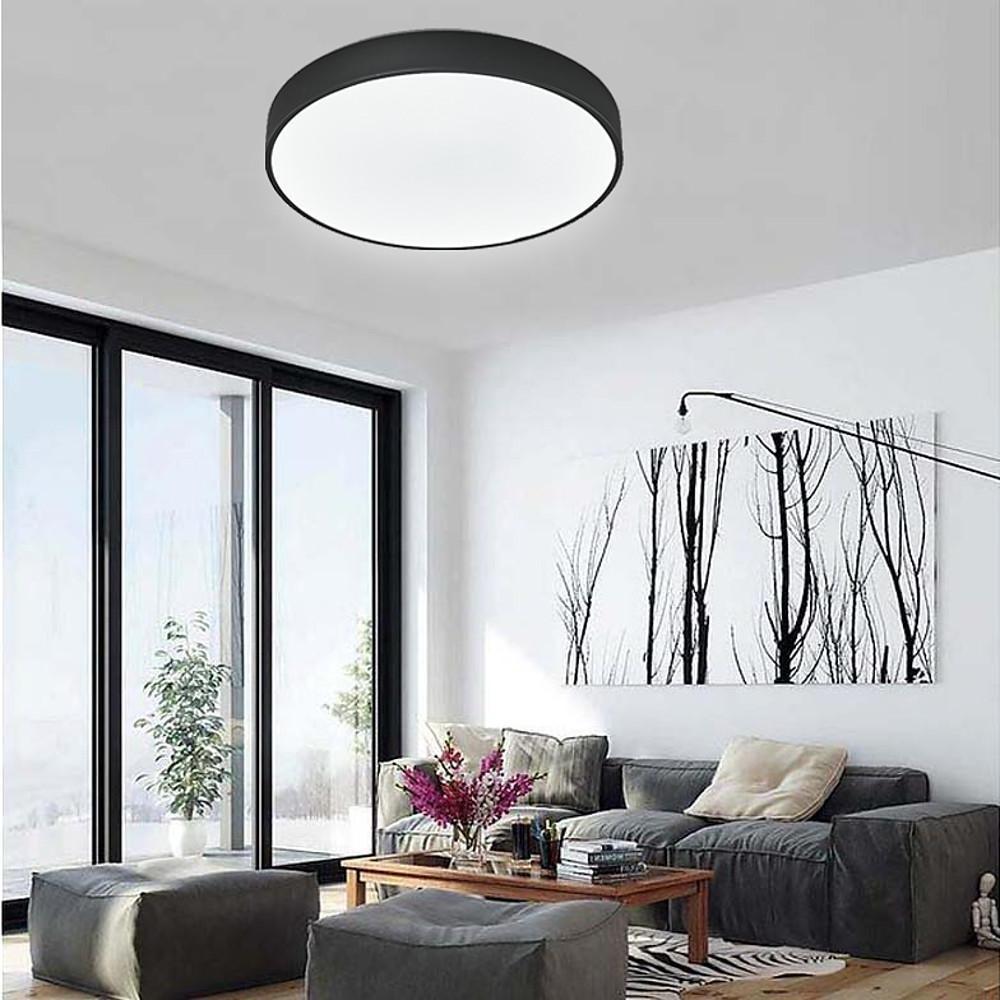
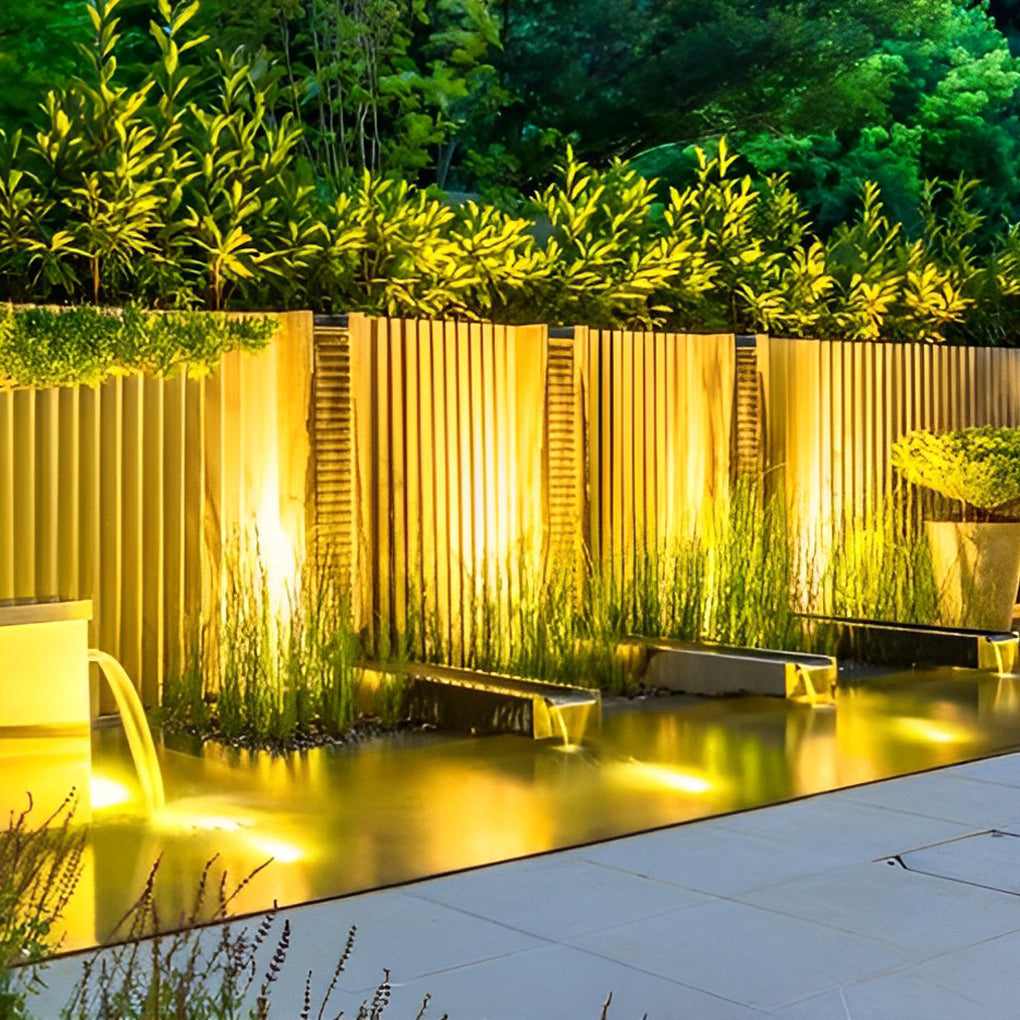
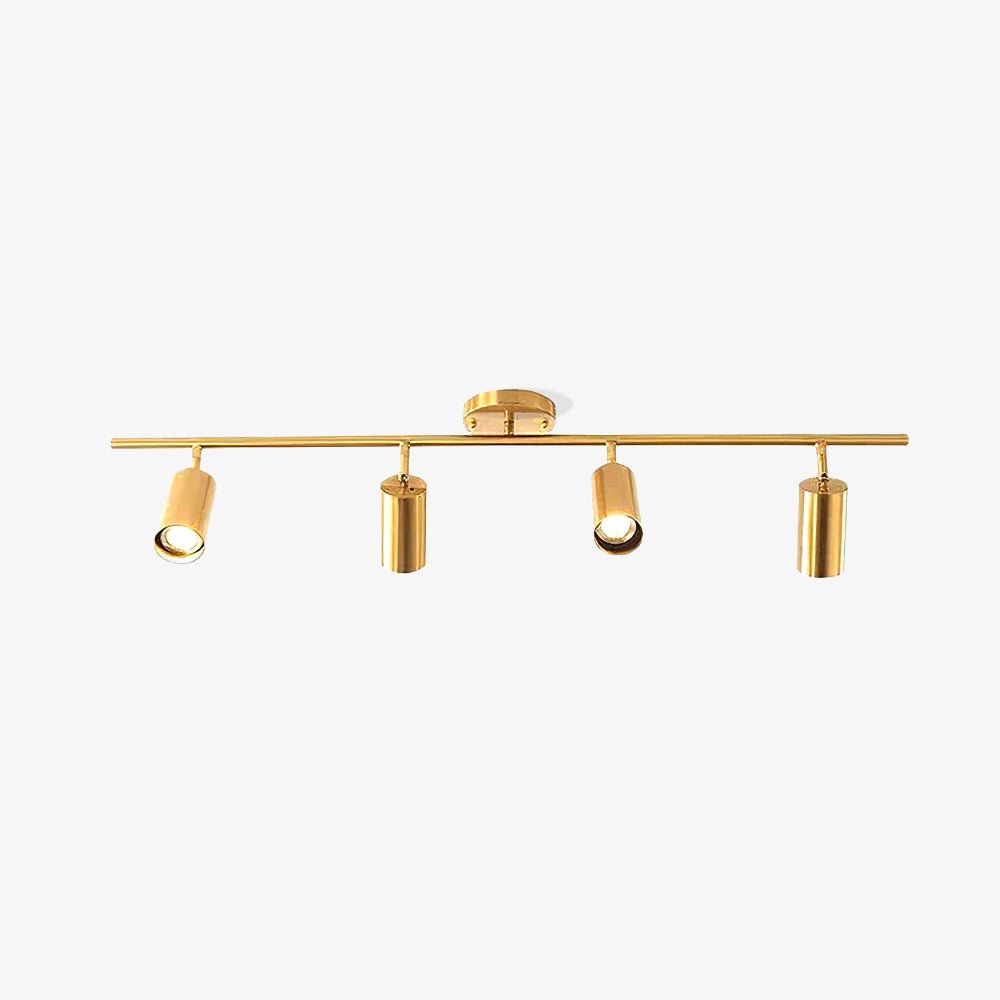
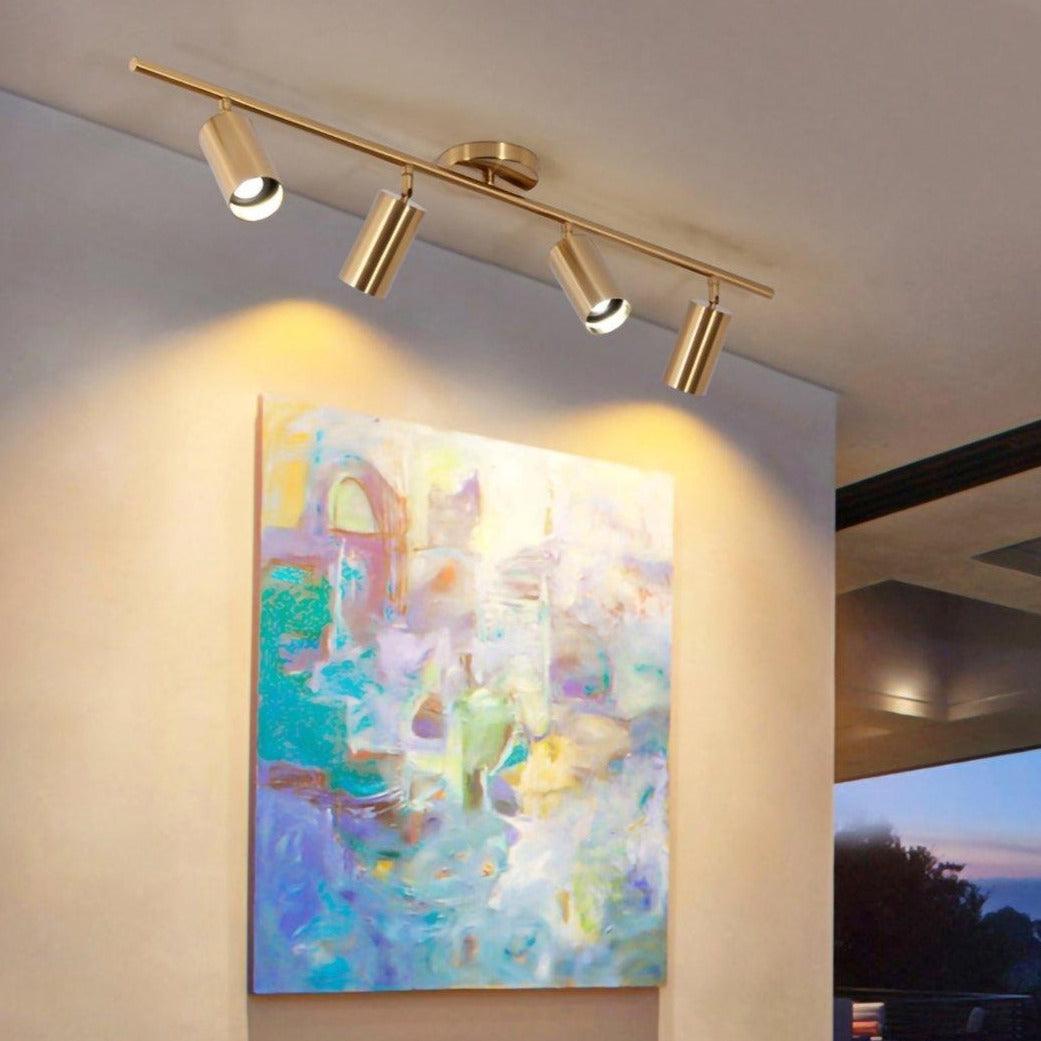
Home lighting generally falls into three categories: ambient, task, and accent. Ambient lighting provides overall illumination and sets a comfortable base level of light. Task lighting focuses on specific activities such as cooking, reading, or working, and can be achieved with pendants, desk lamps, or under-cabinet lighting. Accent lighting highlights artwork, shelves, or architectural details, adding depth and visual interest. Combining these layers allows you to create a well-lit, functional, and visually appealing home.
Common Lighting Fixtures
Pendant Lights
Pendant lights are single fixtures suspended from the ceiling, providing focused illumination. They are ideal for kitchen islands, dining tables, bars, and bedside areas. Multiple pendants can be used together to create a cohesive and stylish arrangement while maintaining a balanced look.
Chandeliers
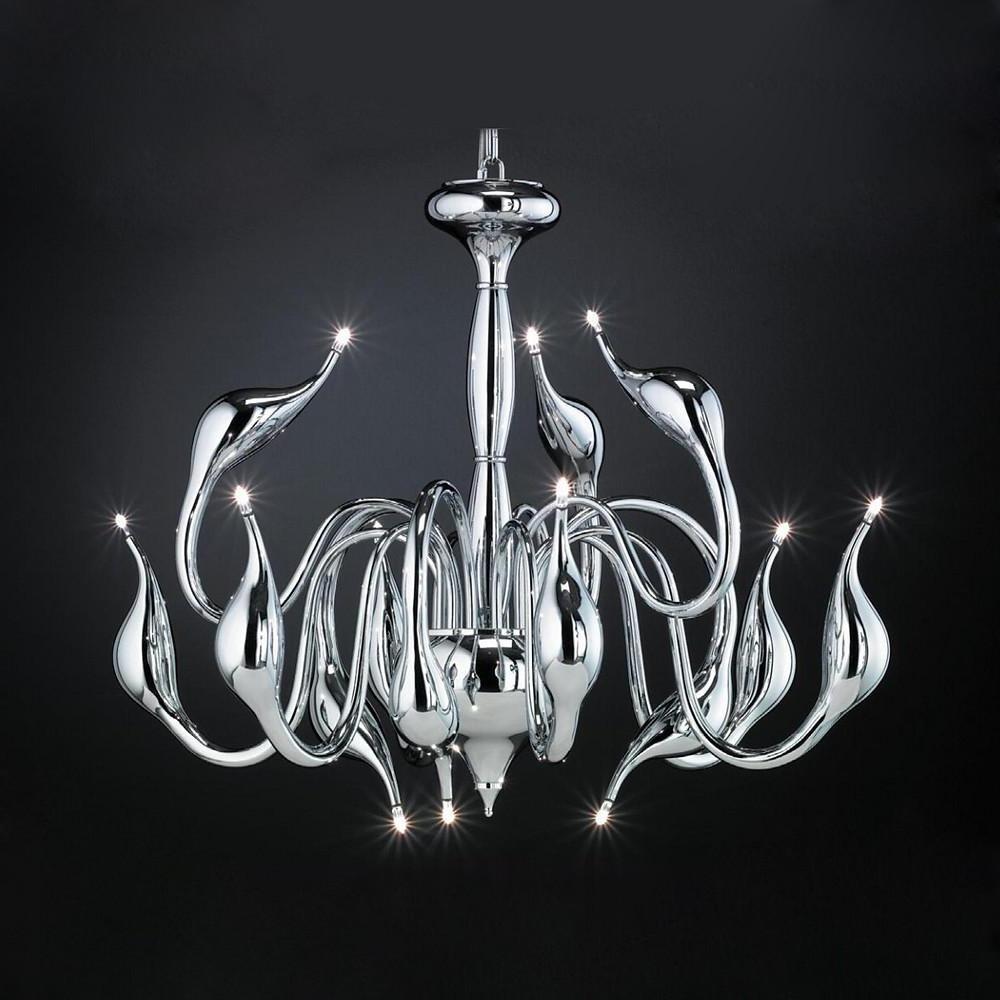
Chandeliers feature multiple arms or bulbs and act as both a functional light source and a decorative centerpiece. They work best in larger rooms with high ceilings, such as dining rooms, living rooms, and foyers. A chandelier adds elegance, visual interest, and ambient light to the space.
Wall Sconces, Table Lamps, and Floor Lamps
These fixtures supplement primary lighting, providing localized illumination and decorative accents. Wall sconces can enhance hallways or entryways, table lamps are ideal for reading or work, and floor lamps can add both style and function to living areas.
Important Lighting Factors
Color temperature, measured in Kelvins (K), affects the mood of a room. Warm white (2700K–3000K) creates a cozy and inviting atmosphere, while cool white or daylight (4000K–5000K) provides bright, clear light suitable for kitchens, offices, and workspaces. Lumen output determines brightness, and beam angle controls light spread. Narrow beams focus on specific areas, while wide beams illuminate broader spaces. Modern LED lighting is energy-efficient, long-lasting, and low-maintenance, making it a popular choice for home use.
Recommended Lighting by Room
| Room / Area | Suggested Fixtures | Purpose |
|---|---|---|
| Living Room | Ambient light + wall/floor lamps + optional chandelier | Provides general illumination, layered lighting, chandelier as a focal point |
| Dining Room | Pendant lights / chandelier / multiple pendants | Even light for meals, social gatherings, and visual impact |
| Kitchen | Task lighting (pendants, recessed lights, LED strips) + ambient light | Focused light for cooking and preparation |
| Bedroom | Warm ambient light + bedside lamps / wall sconces | Creates a relaxing atmosphere with functional reading light |
| Hallways / Entryways | Wall sconces + ambient light | Ensures safety and provides guiding illumination |
| Home Office / Study | Cool task light + ambient light | Clear, focused light for productivity and comfort |
Tips for Effective Home Lighting
Layer your lighting by combining ambient, task, and accent sources to create depth and flexibility. Choose fixture sizes and types according to ceiling height and room dimensions. Maintain consistent color temperature within each space to ensure a harmonious feel. Opt for LED lighting for energy efficiency, long lifespan, and minimal maintenance. Balance aesthetics and functionality so that your lighting not only illuminates but also enhances the overall design and atmosphere of your home.